Jamshedpur FC: The club Tata built, and walked away from
Tata Steel spent Rs 321 crore and nine years building Indian football’s most credible club. Jamshedpur FC’s nine-year run ended on an unpaid invoice of Rs 55 lakh.

On July 30, the All India Football Federation announced the grandest fixture in Indian football's modern history. Brazil, five-time world champions, would play their first senior international on Indian soil, in Kolkata, on October 3. The mood in Indian football, for one afternoon, was something close to euphoric.
Hours later, it curdled.
Tata Steel missed the midnight deadline on a Rs 55 lakh instalment of a new Rs 1.1 crore participation fee. The club's place in the Indian Super League (ISL) ended on an unpaid invoice.
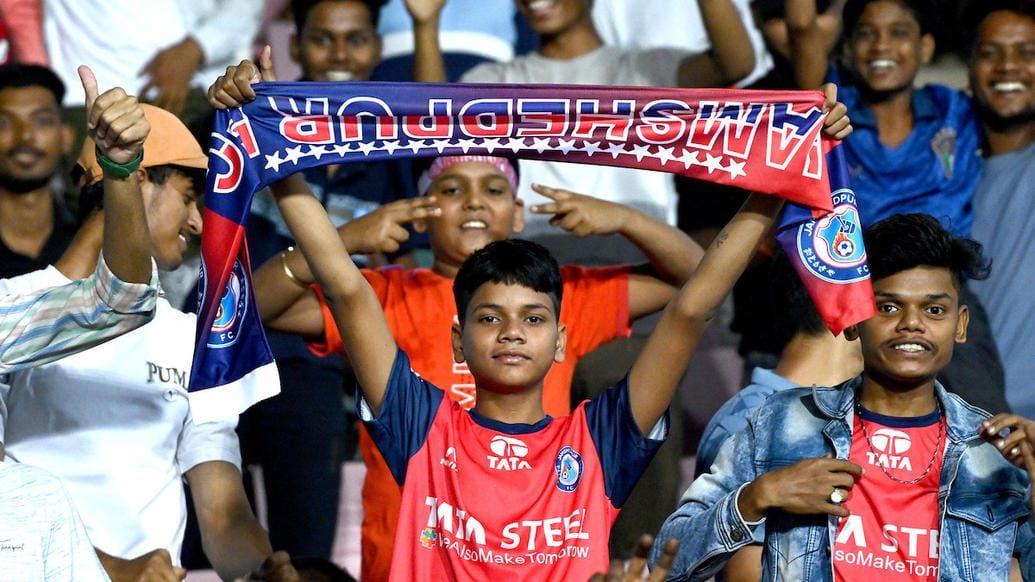
The dressing room knew before the public. “This legacy from the Tata Football Academy, the youth, and the platform is a good opportunity which can compete in the Indian top league,” captain Pronay Halder said in a video appeal, flanked by his teammates. He asked Tata’s leadership to reconsider. Sunil Chhetri, Indian football’s leading goalscorer, ended a long social media silence to ask the corporate giant to choose “heart over head.” An online petition to the trustees of Tata Trusts and Tata Steel’s leadership crossed 5,100 signatures within days. Fans marched through the city behind a banner reading ‘Save Jamshedpur FC,’ and supporters unfurled tifos at the club’s Durand Cup fixture in Ranchi protesting the decision.
Four days before the deadline, on July 26, Jamshedpur had opened its 2026 Durand Cup campaign by tearing through Sri Lanka’s Defenders FC 5-0. Raynier Fernandes marked his club debut with a hat-trick. Nothing about that scoreline suggested a club in its final week.
The stakes reach further than one dressing room in Jharkhand. The ISL’s new club-led model is asking sponsors and broadcasters to trust a league that has just lost the single owner on its roster that never needed an introduction. Every other club owner, totting up losses of their own, now has a concrete answer to what used to be a hypothetical: what happens when the deepest pockets in the room stop paying the tab.
“It was rather surprising. I did not expect Tatas to fold,” said a person aware of ISL clubs and their finances. “As an institution, they believe in creating impact, and they must have looked at this and realised that there was no scope of doing that.”
Tata Steel responded to The State of Play's detailed questions after the publishing deadline. The responses of DB Sundara Ramam, Tata Steel's vice-president of corporate services, have subsequently been incorporated into this report.