Pro Kabaddi’s next raid is for growth
For a decade, the Pro Kabaddi League taught India to watch. The next five years will test whether that attention can become a business.

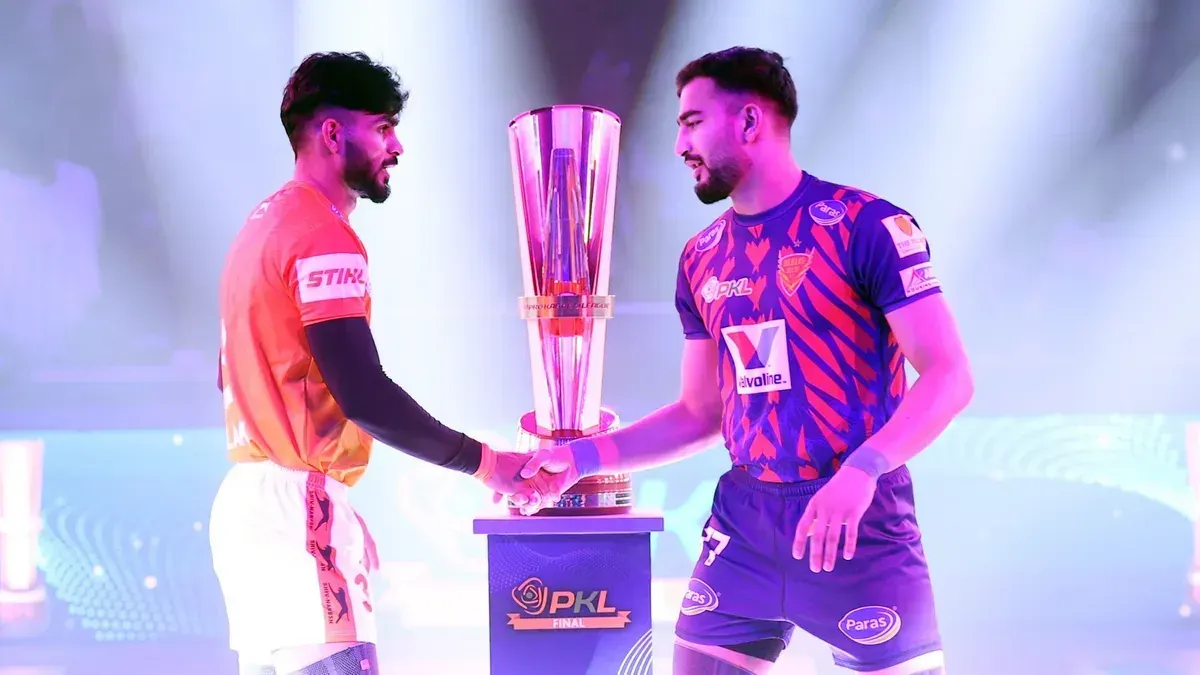
On October 31, 2025, Dabang Delhi KC beat Puneri Paltan 31-28 at Thyagaraj Sports Complex and lifted the Pro Kabaddi League (PKL) trophy. After four cities and 108 matches, the season ended with the Delhi crowd in full voice. The same night also ended the five-year media rights agreement between Mashal Sports and JioStar (then Star India), signed in 2021 for Seasons 8 to 12 after an auction built around a Rs 900 crore base price.
Mashal, the league’s organiser, has not announced a renewal, and JioStar has opened a review of PKL’s economics with Mashal and its 12 franchises. Two people familiar with the discussions said JioStar’s first proposed valuation for the next rights cycle was close to half the previous figure, an opening position rather than a final number.
Mashal and JioStar did not respond to The State of Play’s questions.
The State of Play understands that franchises have been told to prepare for a lower rights fee. “There is an expectation that everyone will meet in the middle, and that a healthy compromise can be worked out,” a person aware of the talks said.
The franchises have formed a committee and commissioned their own research into the league’s finances, one of them added, so they can make their own case in the talks. People close to the talks describe the tone as more consultative than the last cycle, when Star retained the rights at the Rs 900 crore reserve after emerging as the only bidder, prompting franchise owners, including U Mumba’s Ronnie Screwvala, to question the lack of price discovery.
That dependence is why the talks carry weight. Media rights account for 70 to 75% of annual franchise revenue (Rs 12 crore), according to two people familiar with team finances. Television gave kabaddi scale, then value. The second decade has to hold that ground with a smaller broadcast cheque and more money from elsewhere. Think sponsorship, ticketing, local fandom, and a league that stays with fans after the telecast ends.