The new turf war: How District Play is taking over India's courts
As urban Indians swap café catch-ups for floodlit courts, a small market for paid play is starting to matter. Eternal’s District is trying to own the booking sheet before anyone else can.


On a warm Saturday evening in Bengaluru, a pickleball league played to a tight crowd. Quick hands at the net; friendly heckling from the fence. Influencers drifted between floodlit courts, phones raised to catch the arc of a neon ball.
What stayed with the players, though, was a small pastel cart parked on the sideline. The District app called it Play & Pop: a minor piece of theatre offering cold popsicles between matches.
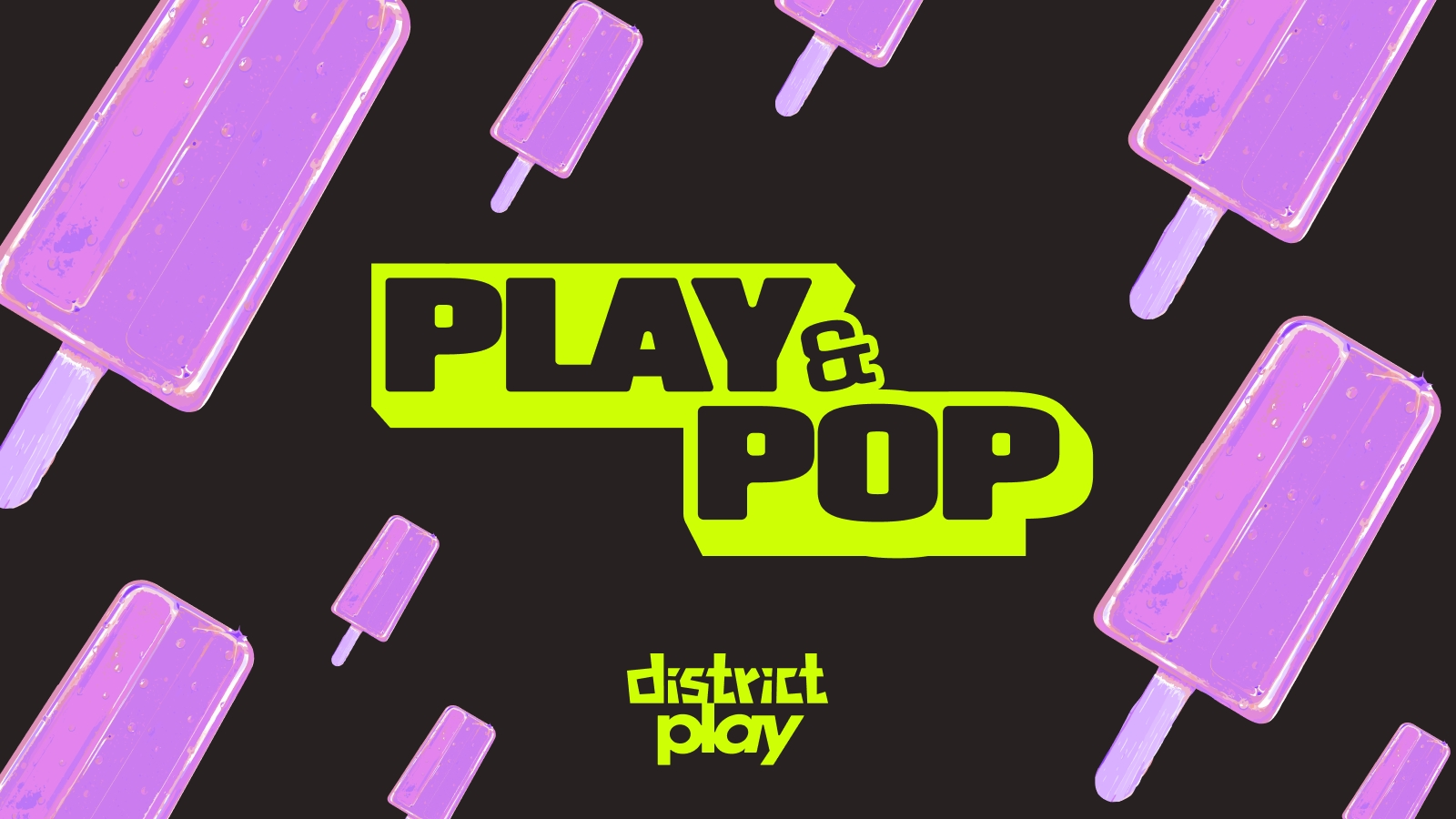
To Eternal, the parent company of Zomato and Blinkit, it was an opening salvo. Wherever an urban Indian pays to play, District intends to manage the ledger.
Eternal already commands two pillars of urban ritual. Zomato dictates what to eat; Blinkit handles what is needed within ten minutes. District is the bid for a third: where to spend an evening. The group’s hospitality, ticketing, and recreation arm booked roughly Rs 970 crore in FY26 revenue. It now wants to push that to an annual net order value of $3 billion by FY30.
Its spine was assembled in two moves. Zomato’s legacy dining-out platform handles more than $500 million in annualised gross order value. In August 2024, the company absorbed entertainment ticketing platform Paytm Insider for Rs 2,048 crore, importing live-event infrastructure into its core stack. Together, these channels moved Rs 2,736 crore in net value during the final quarter of FY26 alone, serving some two million users who spent an average of Rs 1,700 per outing, as of Q1 FY26.
Yet, dining out and concerts are sporadic expenditures – anniversaries and weekend splurges. The apps that secure prime real estate on a home screen require a midweek habit. Inside Eternal, executives observed that high-frequency routine had abandoned traditional cafés and bars in favour of the local sports turf. For a lean, affluent tier of the workforce, the default social hour now happens in dri-fit clothing.
According to industry trackers, India had about 200 operational pickleball courts in early 2024; by mid-2025, there were 1,200. Padel, nonexistent three years ago, has claimed dozens of commercial enclosures across Mumbai. On rival booking platform KheloMore, pickleball listings rose six to seven times in ten months, with bookings climbing two to three times month on month.
Eternal did not respond to The State of Play’s questionnaire or repeated requests for comment. The story is based on conversations with more than a dozen people involved in the pay-to-play space, all of whom spoke on condition of anonymity because of strict non-disclosure agreements.